Transitions are trying. Rituals can help.
Illness involves transitions—namely periods when changes or shifts are happening. Whether happily anticipated (e.g., completing treatment) or anxiously feared (e.g., limb loss), all are stressful because they demand adjusting to change, such as in:
Prescriptions and proscriptions
Schedules (work; home; medical visits)
Life expectancy; sense of vulnerability and uncertainty
Appearance; energy; abilities; independence
Hopes; expectation; self-perception; others’ perception
Relationships
My 3-step approach to Healthy Survivorship may help:
Obtaining knowledge helps with managing expectations and empowers you to take steps to avoid complications or setbacks.
Finding hope that calms anxiety and motivates proper action helps you optimize both the outcome and quality of life.
Taking action with health-promoting steps helps you retain agency and preserve your sense of self.
Under “action,” borrowing or creating rituals helps you:
Acknowledge the significance of the change.
Take ownership of the transition.
Feel less alone in adjusting to the change.
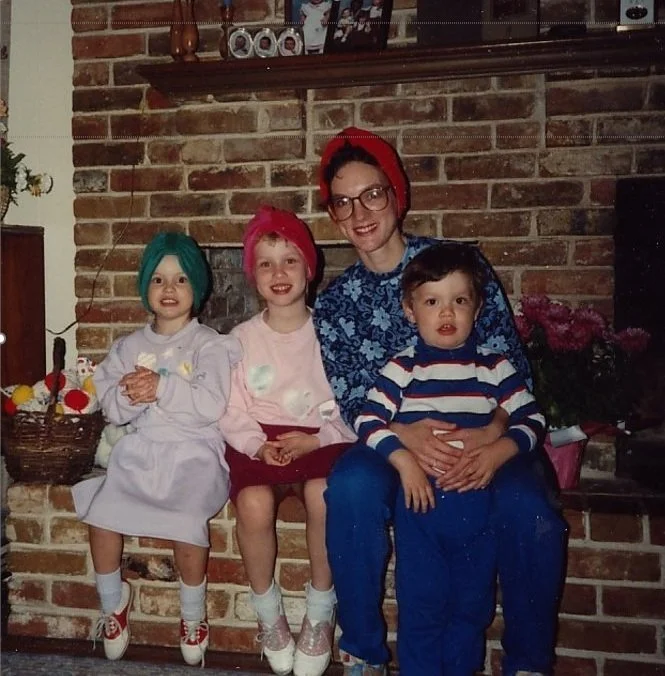
Ownership matters. I kept reminding myself, “I chose this chemotherapy. Hairloss shows its power.” For ritual, my family went to the mall to buy head coverings before my first chemo. At home, we all dressed up in them and danced to music. When I began to lose my hair weeks later, my children were excited to see me wear the scarves and hats they’d picked out.
Patients set the tone if dealing with temporary or permanent physical changes. Some benefit from solemn rituals such as tearful songs expressing grief. Others prefer irreverent events such as Ta-Ta-to-the-Tatas parties.
Rituals also can help through changes in eduational or career path, spiritual beliefs, living situations. They can help put closure on toxic relationships that only pull you down. Rituals help you find the courage and fortitude to still be “you” while navigating rough times.