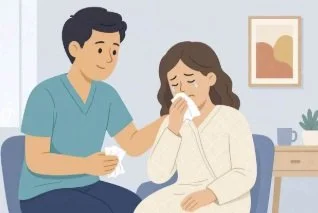
The empathy essential to compassionate care creates problems if it leads to “empathy burnout.” Consider applying “emotional Teflon” when needed.
Patients benefit from caregivers’ compassion—namely understanding of the patient’s suffering and desire to relieve it. Caregivers’ feelings of empathy (such as experiencing the feeling grief when patients are struggling with a loss) help caregivers figure out what’s going on. This insight helps them figure out how to help.
The danger is empathy burnout. Consistently absorbing and internalizing the emotions of patients can lead to emotional and physical exhaustion.
To help avoid burnout when dealing with chronic illness, a coating of emotional Teflon may help. Caregivers erect a psychic barrier to patients’ pain, grief, anger, frustration, and irritability. These caregivers still address patients’ needs with kindness, but without feeling the pain themselves. Cold-hearted, you say? Hardly! It’s a heart-preserving technique.
Compassionate care means
responding to patients’ pain compassionately
—and not feeling patients pain.
Using emotional Teflon
while providing compassionate care
helps caregivers keep caregiving.
Healthy Survivors want and need
their caregivers to protect themselves.