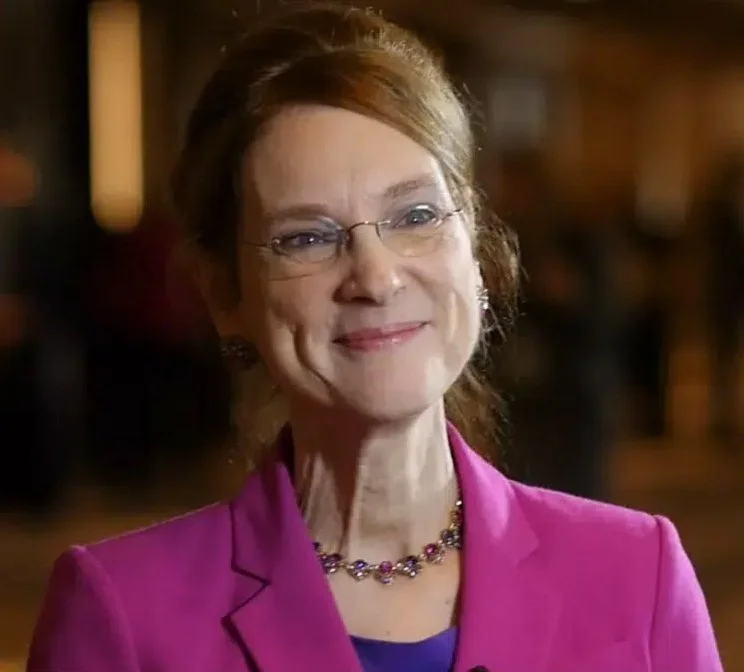
Becoming a Healthy survivor
after completing treatment
From the time of my cancer diagnosis, I’ve worked to be a Healthy Survivor: a patient who gets good care and lives as fully as possible. Throughout my evaluation and treatment I felt inundated with information and support. It was only after the final treatment that I struggled to know what to expect or hope for, which exacerbated the distress. As a physician and a patient, I’ve learned about overcoming the obstacles to Healthy Survivorship after completion of treatment. Here are two tips:
Tip #1 Embrace Your R & R
Patients often expect rest and relaxation—“R & R”—from cancer. For many patients, though, aftereffects and post-treatment changes may cause discomforts or new medical problems that require evaluations and treatments.
Try thinking of R & R as Remission and Recovery, the next active phase of survivorship. Like with physical recovery after completion of a marathon, the body is still in overdrive after treatment. It is actively assisting ongoing anticancer effects of completed treatments, and actively repairing treatment-related damage. Help your body through this phase of healing by eating well, adhering to doctor-approved exercises, getting enough quality sleep, taking therapies as prescribed, and by reporting changes, problems, and concerns to your healthcare team in a timely fashion.
Your emotions and spirit are recovering, too. Exiting active-treatment mode can unleash a variety of unpleasant feelings and give rise to new concerns, such as fear of recurrence. Emotionally, this is an active phase of survivorship as you process what happened, what might have been, how things have changed, and how to manage uncertainty about the future.
After completing treatment, what matters most
is not which physical or emotional difficulties you have
but how you respond to them.
To foster your physical and emotional recovery, learn about post-treatment survivorship from reputable cancer organizations and from co-survivors via local support groups and/or disease-specific online support groups. Take steps to nurture your body and prevent setbacks. Share your unpleasant thoughts and feelings with people who can assist you in using them to take steps to alleviate distress.
Tip #2 Embrace Your New Normal for Now
It’s natural to want to get “back to normal” as quickly as possible. If unattainable, patients may feel any combination of surprise, disappointment, frustration, anger, sadness, and possibly even shame. Here’s the thing about cancer: For many survivors, even those who eventually look and feel fine again, it is impossible go back to the same life and outlook as before cancer. For those facing major changes, going back to the old normal may be impossible. Any sense of normal may feel elusive.
Transitions are trying, even good ones such as completing treatment.
To foster healing through this next phase, create a “new normal for now” that incorporates the physical, emotional, and spiritual changes catalyzed by your cancer experience. This can help you through this transition as safely as possible. Even better, unwanted limits and difficult adjustments can become opportunities to make life-enhancing changes in how you see and do things.
Try focusing on short-term actionable hopes, such as hope to improve your physical condition and ability to get a good night’s sleep. Try working toward achievable goals. Create new goals as needed. Investing in your future infuses your present with meaning, direction, energy, dignity, and hope…and it pulls you into your future.
* * *
Your cancer experience does not end with your final treatment. By obtaining knowledge about life after cancer, you can take steps that bring comfort and improve your medical care and your condition. By taking steps to enhance your recovery, you increases you chance of joining the ranks of those who have survived cancer treatment and found themselves better for it in certain ways.